
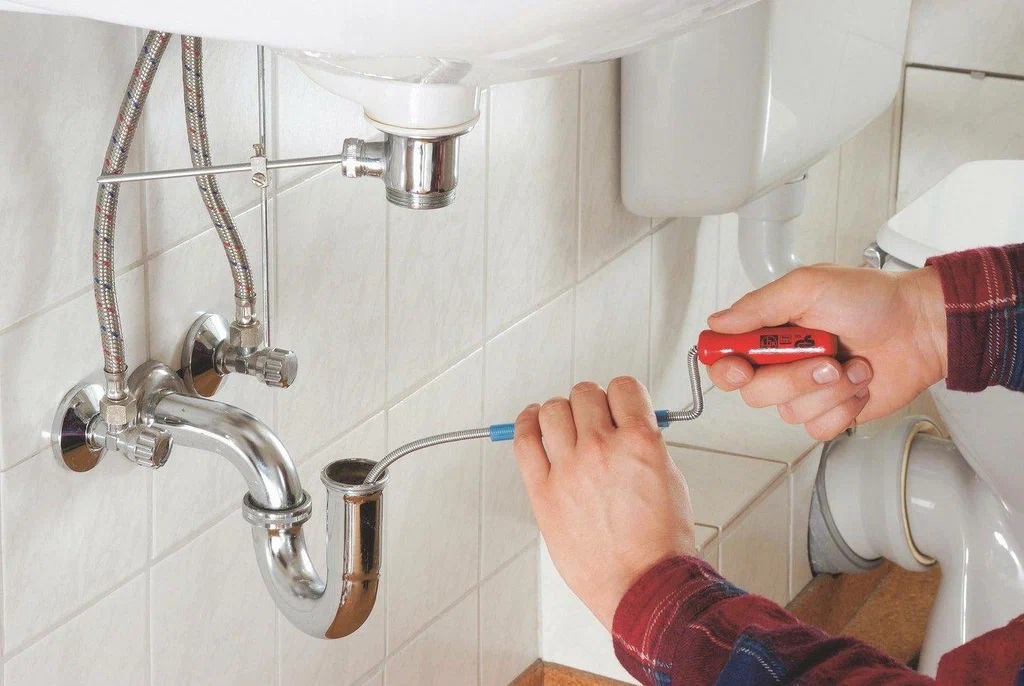
Drain difficulties are a frequent issue for landlords. A kitchen sink drain may take longer than usual to empty, a shower drain may start to collect water, or a drain may occasionally emit a foul odour. Some of these problems aren’t serious, but others might be the beginning of a greater problem in the sewage system.
It is crucial to recognise the difference, since a little blockage could be as easy as a patch, but a damaged or blocked sewage line will impact many areas of a house and cause water damage, health hazards and expensive remedies. The earlier warning indicators are seen, the sooner homeowners may respond in the proper manner.
What Does A Minor Drain Problem Look Like?
A minor pipe issue generally only impacts one device or a small area of the plumbing. Take a bathroom sink that drains slowly, but all other fixtures operate well. Maybe the trouble is close to that drain.
Pipes may progressively accumulate hair, soap residue, oil, food particles and more, and this can impede the flow of water. Most of the time these localised blocks are gradual. You could notice that it takes longer for the water to drain or that there is bubbling after using the tap.
If the homeowner is not sure what is causing the issue, they may contact a professional firm such as Voyager Plumbing to have the drainage system looked at. This is better than only treating the symptoms and not discovering the true problem.
Multiple Slow Drains Can Signal Something Bigger
The easiest way to identify whether you’re dealing with a tiny drain blockage or a sewer issue is how many faucets are impacted. A single sluggish sink might imply there is a blockage somewhere. There are a few slow leaks that seem to pop up throughout the home at the same time that require greater attention.
For example, the bathroom, bathtub, toilet and kitchen sink may all start draining slowly. If these fixtures link to the main drainage system, issues that impact several fittings might imply there is a blockage farther down the pipe network.
The location and timing of the signage provides important information. If issues are occurring all across the property at the same time, then cleaning up one drain may not solve the problem.
Pay Attention To Unusual Plumbing Behavior
A big sewage problem doesn’t typically begin with a complete backlog. Odd noises and gurgles between fittings may be the first symptoms of an issue.
You may hear bubbling in a shower drain nearby as you flush the toilet. Using anything other than that may cause the water level in the tub to rise. Sometimes it is difficult to flush the toilet even if it does not seem as if it is blocked in the bowl.
These indicators might be evident when air and waste cannot flow correctly through the drainage system. They should not be dismissed as random water concerns if they occur again and over again.
Unpleasant Odors Should Not Be Ignored
Your plumbing is designed to keep sewage gases out of the areas people are utilising. So, if you notice sewage odours near drains, bathrooms, outdoors or other areas of your house, it might be an indication of a problem.
Sometimes the drain smells might be produced by trivial things, but sewage odours that are intense or continually coming back should be checked into. The normal circulation of wastewater might be slowed down by a blockage, a damaged pipe, or an issue with the drainage system.
A very critical warning indicator is an aroma that accompanies delayed draining, bubbling or wastewater backing up.
Outdoor Signs Can Reveal Underground Problems
Some plumbing issues are not immediately apparent inside the home. Sometimes the first indicators might be in the garden.
Can develop in overhead sewage pipes and in places that are extremely moist or muddy. Some spots of grass may suddenly seem greener or grow quicker than others. You may be able to smell something bad outside too.
Over time, subterranean pipes may corrode, move, fracture or clog. Tree roots may also create difficulties by getting into pipes and growing within the weak regions. And since these issues are subterranean, you may have to use specific inspection procedures to discover the source.
Sewage Backups Require Prompt Attention
A backup of sewage or wastewater is far worse than a sluggish drain. If contaminated water begins to back up via toilets, showers, floor drains or other fixtures, don’t use the plumbing as usual.
Contaminants in wastewater are toxic and may damage flooring, walls, cabinets and personal goods. It’s particularly crucial to have a professional look at it when sewage seeps into residential spaces.
Until the issue is solved, it could help to use less water on the land so that extra wastewater doesn’t enter a drainage system that is already full.
Why Accurate Diagnosis Matters
If you repair every sewage problem in the same manner, the problem may come again. A simple blockage at an outlet and a damaged sewage line underground require vastly different remedies.
Professional plumbers can see the signals and use the necessary instruments to find out what’s happening within the system. For example, CCTV drain inspections may spot issues such as roots growing into drains, clogs and damaged sections that cannot be seen from the outside.
If the issue is appropriately detected, the repair may go after the cause instead of merely hiding it for a short period.
Know When A Drain Problem Needs More Attention
A single sluggish drain does not mean your house has an extensive sewer issue. But it’s not good to overlook many blocked faucets, recurring backups, toilet odours, unusual bubbling noises, damp areas outdoors and wastewater pouring back via drains.
It is crucial to consider the complete design. Small issues tend to remain in one area; major sewage problems tend to show up in more than one area of your plumbing system. But when those warning signals appear, if you take action, you can safeguard your property, keep things operating smoothly, and prevent a little water problem from becoming a major plumbing issue.