
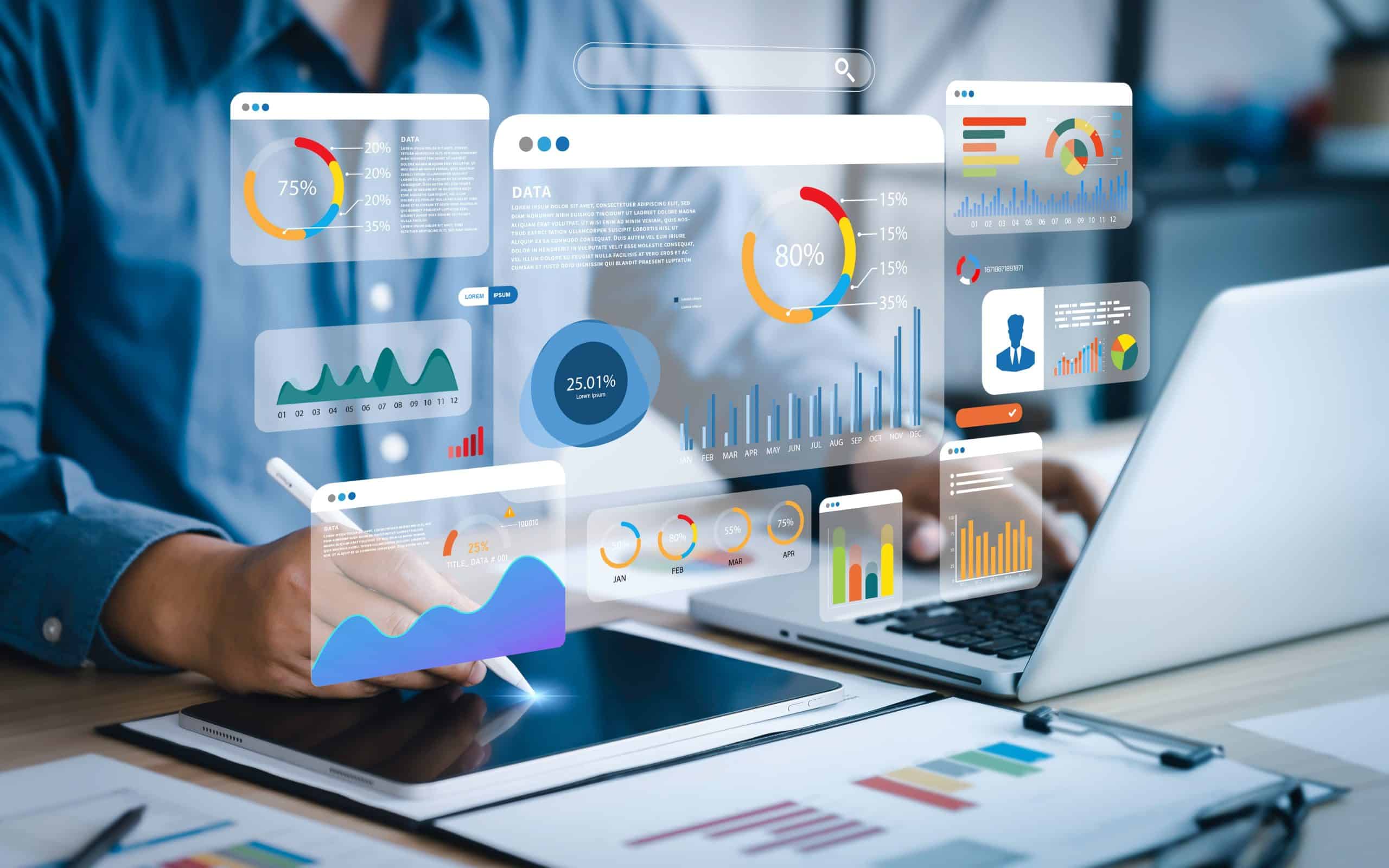
To grow, a business needs a marketing plan that can change with the times, its goals, its customers, and its rivals. Paid advertising is often the fastest way for businesses to get the attention of qualified customers, even though many also spend money on SEO, social media, and email marketing. Working with a pay per click marketing agency allows businesses to build campaigns that not only generate leads today but also create a foundation for sustainable expansion in the future.
Why Scalability Matters In Digital Marketing?
A scalable marketing strategy grows alongside a business. Instead of rebuilding campaigns every time a company enters a new market or launches a new service, scalable systems make it easier to increase advertising efforts without sacrificing performance.
Pay-per-click advertising works really well because budgets, themes, and targets can all be changed to fit the needs of the business. Whether a company wants to reach a local audience or expand nationally, campaigns can evolve while maintaining consistent messaging and measurable results.
Building A Strong Campaign Foundation
Every successful paid advertising strategy begins with research. Companies need to know who their ideal customers are, what issues they want to be resolved, and how they surf the web to find goods and services.
A pay-per-click marketing agency performs keyword research, analyzes competitors, and studies customer behavior before launching campaigns. This preparation helps ensure that advertisements appear in front of users who are most likely to take action.
A strong foundation also includes organizing campaigns into logical groups, creating relevant ad copy, and matching each advertisement with an optimized landing page. These elements work together to improve quality scores and increase conversion potential.
Using Data To Guide Growth
Access to detailed performance data is one of the best things about pay-per-click advertising. Every click, impression, and conversion provides valuable insights into customer behavior.
Businesses don’t have to make decisions based on guesses; they can use measured results instead. Campaign reports reveal which keywords produce sales, which advertisements attract the highest engagement, and which audiences respond best to specific offers.
This ongoing analysis allows marketing strategies to improve over time. Successful campaigns receive additional investment, while underperforming areas are refined or replaced. This continuous optimization supports long term business growth.
Reaching The Right Audience At Every Stage
Not every customer is ready to make a purchase immediately. Some are researching options, while others are comparing competitors before making a final decision.
A well-planned advertising strategy reaches potential customers throughout the buying journey. Awareness campaigns introduce the brand, consideration campaigns highlight benefits, and conversion-focused advertisements encourage immediate action.
Audience segmentation also helps businesses personalize messaging for different customer groups. Returning visitors, previous buyers, and first-time users can all receive advertisements tailored to their specific interests, improving engagement and conversion rates.
Managing Budgets Efficiently
Growing businesses often worry about increasing advertising costs. A scalable strategy focuses on spending efficiently rather than simply spending more.
Budget allocation should reflect campaign performance, seasonal trends, and business priorities. High-performing campaigns may receive larger investments, while experimental campaigns begin with smaller budgets until results justify expansion.
A pay-per-click marketing firm carefully watches how much money is spent to cut down on useless clicks and boost return on investment. Regular bid adjustments, keyword refinement, and audience optimization help maximize every advertising dollar.
Integrating Paid Advertising With Other Channels
Paid advertising works best when it supports broader digital marketing efforts. Businesses that combine PPC with search engine optimization, email marketing, content creation, and social media often create a stronger online presence.
For example, paid campaigns can generate immediate website traffic while SEO builds long term organic visibility. Valuable content can educate visitors who arrive through advertisements, while email campaigns encourage repeat business from previous customers.
With this unified method, the company is better known, and buyers have more chances to interact with the business before they decide to buy.
Preparing For Future Expansion
Business growth often brings new products, services, and target markets. A scalable advertising strategy makes these transitions much easier.
Existing campaign structures can be expanded with additional keywords, audience segments, geographic targeting, and promotional offers. Historical performance data also provides valuable guidance when entering new markets because businesses already understand which messages and strategies have delivered results.
Regular testing remains essential during expansion. New advertisements, landing pages, and bidding strategies should be evaluated continually to identify additional opportunities for improvement.
Conclusion
Creating a scalable digital marketing strategy requires planning, continuous optimization, and a commitment to making decisions based on data rather than guesswork. Paid advertising provides businesses with flexibility, measurable performance, and the ability to adjust campaigns as goals evolve.
Partnering with a pay-per-click marketing agency helps businesses build organized campaigns, improve advertising efficiency, and support sustainable growth over time. With the right strategy in place, companies can attract qualified customers, maximize marketing investments, and confidently expand into new opportunities while maintaining consistent performance.