
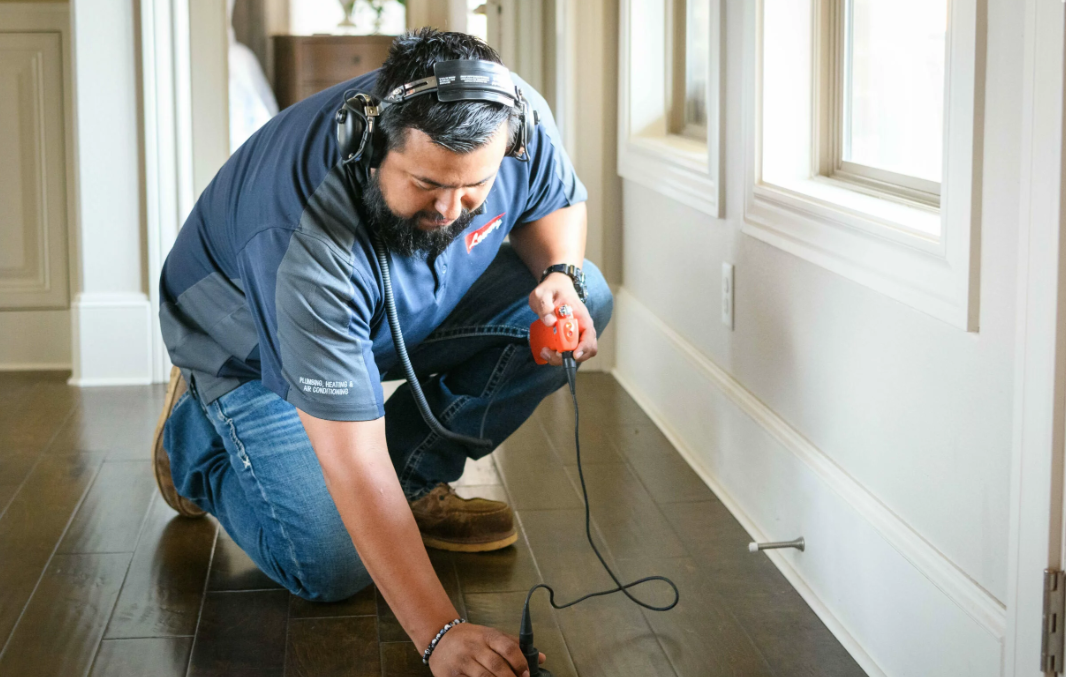
Water leaks are not always as blatant as gushing out of a broken water pipe or an overflowing bathtub. The most terrible plumbing challenges take place in invisible spots like dark voids, underneath walls and flooring boards, behind cupboards together with below the ground. For days or weeks without due diligence, these leaks can damage massively until they – or others relevant to them – discover that something is wrong.
Being in-the-know about the early warning signs of a secret leak could really help, maybe even save a life. A timely response can reduce the damage due to water, protect building materials and prevent a repair you can manage from developing into plumbing emergencies.
Why Hidden Leaks Can Be So Damaging?
A little bit of water coming out all the time might produce major difficulties over time. Materials used in construction such as plasterboard, wood, insulation, flooring and cabinets have a tendency to absorb water. These objects might become weak, stained, swollen or broken down if they are kept damp too long.
Water may also be buried in locations where mould and mildew might thrive. Persistent wetness may not only make scents unpleasant, but also make it harder and more expensive to repair damaged areas.
Where the leak is crucial, too, if water is leaking near electrical systems, ceilings, structural timber or pricey flooring, you may need to remedy the situation immediately. In these circumstances, hiring a emergency plumber on the North Shore may help you locate the source of the leak and stop it before it does additional harm.
Unexpected Changes In The Water Bill
An unexplained rise in water usage might be one of the first indicators of a plumbing issue that you don’t know you have. If most of the activities you do around the home haven’t changed but your water bill suddenly goes higher, there might be water seeping out of the pipes.
An easy first check homeowners may perform is to glance at the water metre and switch off any faucets or equipment that utilise water. If anything is still moving, that may imply water is still going elsewhere.
Not every unusual bill suggests there is a leak, but any major shift that can’t be explained should be investigated. Usually, it’s simpler to tackle early detection than waiting until you can see the water damage.
Damp Patches On Walls And Ceilings
As a matter of taste, you shouldn’t just ignore a stain on the ceiling or wall. If you see yellow, brown or darker blotches, you might have water building up under the surface.
Paint might blister or peel, and wallpaper can fall off in patches. You may also sense walls as soft or chilly for no reason. Ceiling stains are particularly dangerous because water may travel from where it originated to where it appears.
If a damp patch expands fast, water begins to drop, or the ceiling begins to droop, you may need to act soon. An emergency plumber on the North Shore can assist you at this stage to discover the cause of the water damage and prevent it from becoming worse.
Musty Smells Without An Obvious Cause
Sometimes you may smell a concealed hole before you see it. If you continue to smell musty or dank stuff in your bathrooms, kitchens, laundry rooms, closets or corridors, it might signify that water is trapped around.
Cleaning the room might get rid of the scent for a little while, but it will probably return if the dampness issue isn’t resolved. Look for obvious wetness beneath sinks, below toilets, behind appliances and around plumbing fixtures. If the reason is difficult to identify, you may require a professional check.
Unusual Flooring Changes
Water leaking beneath the floor may create a variety of changes that can be visible. Wood boards may swell, rise or be uneven. Laminate may distort, and carpets can develop damp patches that don’t appear to be caused by a spill.
You don’t destroy tiles with water, but water underneath tiles may damage the adhesive, grout or other materials nearby. Therefore, if there are loose tiles or wet areas along the edge of the floor that can’t be explained, it could be necessary to look into it more.
It’s particularly alarming if these changes occur near restrooms, kitchens, laundry rooms or water lines.
Sounds Of Running Water
Another warning indicator is when you hear water running while all the faucets and other water-using items are switched off. Sounds of leaking, hissing or flowing coming from within walls or beneath floors might suggest there is an issue with a buried pipe.
Don’t dismiss these noises simply because you don’t see any water. A leak in a wall cavity might nevertheless damage surrounding materials.
Preventing A Small Leak From Becoming An Emergency
Conducting regular inspections of your plumbing and basic knowledge around the home may help you spot issues earlier. Homeowners should watch their water bills and look at the regions surrounding pipes, beneath sink cabinets and any stains or odours that seem out of place.
It’s also useful to find out where the main water shut-off valve is on the property. If a big leak occurs, turning off the water supply might prevent more damage while waiting for expert aid.
If water is spreading fast, going into walls or electrical areas, or can’t be stopped, you should contact a North Shore emergency plumber right away.
Conclusion
Due to the amount of our plumbing system being out of sight, it can be easy for concealed water leaks to go unnoticed. However, even small leaks can result to destruction of walls, ceiling, floor covering and cabinets in the long run.
These include weird water bills, wet spots, mildew smells, flooring changes, odd sounds and lack of water pressure. Recognising these signs and calling for an enquiry at the earliest opportunity will help homeowners fix plumbing issues without a fugitive leak becoming a more messy and expensive disaster.