
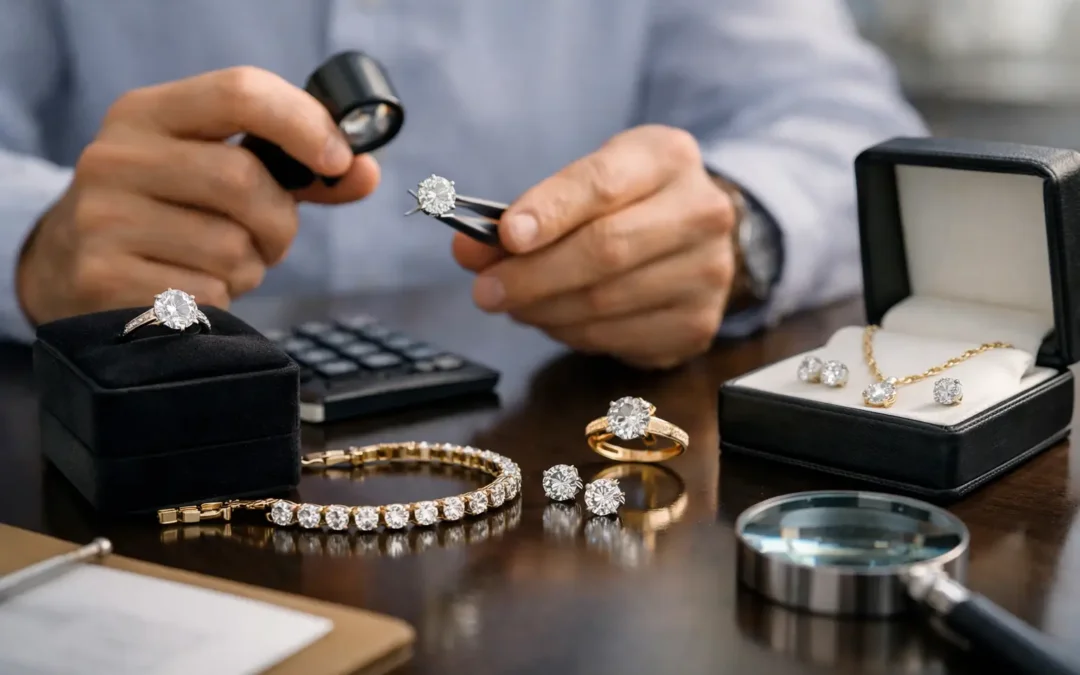
Many people have jewelry they no longer wear. It may be a broken necklace, an old ring, a single earring, an inherited piece, outdated gold jewelry, or a gemstone item sitting untouched in a drawer.
Even when jewelry is damaged, incomplete, or no longer fashionable, it may still have value. Gold, silver, platinum, palladium, diamonds, gemstones, designer markings, and craftsmanship can all affect what a buyer may be willing to offer.
However, jewelry value is not always easy to estimate from appearance alone. A heavy-looking item may be plated rather than solid precious metal. A small ring may contain higher-purity gold than a larger piece. A gemstone may add value, or it may have limited resale demand depending on type, quality, and condition.
Understanding how jewelry is evaluated can help sellers ask better questions and make a more informed decision before accepting an offer.
Why Unwanted Jewelry May Still Be Valuable
Jewelry does not need to be new or wearable to have resale value.
A buyer may evaluate unwanted jewelry for:
- Precious-metal content
- Gold karat or silver purity
- Platinum or palladium content
- Weight
- Diamonds
- Gemstones
- Designer or brand value
- Vintage or estate interest
- Craftsmanship
- Condition
- Market demand
Some jewelry is worth most because of its metal content. Other pieces may be worth more as complete jewelry because of the stones, brand, age, or design.
This is why sellers should avoid assuming that broken jewelry is worthless or that every piece should be valued only as scrap.
Precious Metal Content Is the Starting Point
The first step in many jewelry evaluations is identifying the metal.
Common precious metals include:
- Gold
- Silver
- Platinum
- Palladium
Each metal has a different market value. The buyer must also determine whether the piece is solid precious metal, filled, plated, or made with a non-precious base metal.
A gold-colored necklace is not automatically solid gold. A silver-colored ring is not automatically sterling silver. Stamps can provide clues, but testing may still be needed.
A careful evaluation should identify what the item is made of before discussing value.
Gold Karat Makes a Major Difference
Gold jewelry is usually marked by karat. The karat number shows how much pure gold the item contains compared with other metals in the alloy.
Common markings include:
- 10K
- 14K
- 18K
- 22K
- 24K
A 14K ring and an 18K ring may look similar, but the 18K ring contains a higher percentage of gold. If both pieces weigh the same, the higher-karat item normally contains more pure gold.
However, karat is only one part of the calculation. Weight also matters. A heavier 10K piece may contain more total gold than a very light 18K piece.
This is why buyers evaluate both purity and weight together.
Silver, Platinum, and Palladium Jewelry
Gold is not the only valuable metal found in jewelry.
Sterling silver is often marked 925, meaning it contains 92.5% silver. Some older or international silver items may have different marks, so identification is important.
Platinum jewelry may be marked with stamps such as PT, Plat, 900, 950, or similar markings. Palladium may appear with marks such as Pd or Pall.
Platinum and palladium can be valuable, but they require proper identification. These metals may look similar to white gold, silver, or stainless steel to someone without testing experience.
When selling mixed jewelry, each metal type should be separated and evaluated correctly.
Weight Is Important, but It Must Be Interpreted Correctly
Jewelry buyers usually weigh precious-metal items, but the full item weight is not always the same as the valuable metal weight.
A ring may include a stone. A bracelet may contain clasps, solder, or decorative parts. A watch may include a movement, crystal, dial, and internal components that are not made from precious metal.
The buyer should consider which parts of the item are actually gold, silver, platinum, or palladium.
For example, the total weight of a diamond ring includes the diamond. The gold value is based on the gold portion, while the diamond may be evaluated separately.
A transparent buyer should be able to explain how weight was used in the offer.
Diamonds and Gemstones Can Affect the Final Offer
Some jewelry has value beyond the metal.
Diamonds, sapphires, rubies, emeralds, turquoise, opals, and other gemstones may contribute to the overall value depending on quality and demand.
A gemstone evaluation may consider:
- Type of stone
- Size
- Color
- Clarity
- Cut
- Condition
- Treatment
- Setting
- Market demand
- Documentation
Not every stone adds significant value. Small accent stones may have limited resale value, while larger or higher-quality stones may be a more meaningful part of the offer.
The important point is that a complete piece should be reviewed before it is treated only as metal.
Designer, Vintage, and Estate Jewelry
Some jewelry may be worth more because of who made it, when it was made, or how collectible it is.
Designer, signed, vintage, antique, estate, and Native American jewelry may require more careful review than ordinary mass-produced pieces.
Value may be affected by:
- Maker’s marks
- Brand signatures
- Age
- Design style
- Rarity
- Original packaging
- Receipts
- Certificates
- Condition
- Craftsmanship
- Collectible demand
A signed designer bracelet should not automatically be valued the same way as an unsigned bracelet with similar metal weight. The brand or maker may increase its resale potential.
Inherited pieces should be reviewed carefully before being sold as scrap, especially if they include unusual stones, handmade details, or recognizable marks.
Broken or Outdated Jewelry Can Still Be Worth Money
Many sellers assume damaged jewelry has little value. In reality, broken jewelry may still contain valuable metal or stones.
Items that may still be worth evaluating include:
- Broken chains
- Bent rings
- Single earrings
- Damaged bracelets
- Old class rings
- Outdated styles
- Tarnished silver
- Missing-clasp necklaces
- Damaged pendants
- Incomplete sets
- Jewelry with missing stones
If the value comes mainly from precious metal, wearability may not matter as much. A broken 14K chain still contains gold. A damaged sterling silver bracelet still contains silver.
Condition becomes more important when the piece may have resale value as jewelry rather than material value only.
People looking for cash for unwanted jewelry should bring damaged, broken, and outdated pieces for proper evaluation rather than assuming they have no value.
Original Purchase Price Is Not the Same as Resale Value
A common misunderstanding is that jewelry resale value should be close to the original retail price.
Retail jewelry prices may include:
- Design
- Labor
- Brand markup
- Store overhead
- Packaging
- Marketing
- Sales commissions
- Retail profit margin
These costs do not always transfer to the resale market.
Insurance appraisals can also be misleading for sellers. An insurance appraisal may estimate replacement cost, not the amount a buyer would pay in cash for the item.
A fair selling price depends on what the piece contains, what it can be resold for, and current market conditions.
Market Prices Change Over Time
Gold, silver, platinum, and palladium prices move with the market. This means the same piece of jewelry may receive different offers at different times.
A buyer may consider:
- Current spot price
- Purity
- Weight
- Refining or resale costs
- Market demand
- Condition
- Stones or brand value
Sellers do not need to be experts in metal markets, but they should understand that precious-metal prices are not fixed.
Before selling, it is reasonable to ask whether the offer is based on current market pricing and how the calculation was made.
How to Prepare Jewelry Before Selling
Preparation can make the evaluation easier, but sellers should avoid doing anything that could damage the item.
Helpful steps include:
Gather Documentation
Bring receipts, certificates, grading reports, appraisals, original boxes, and any notes about the piece’s origin.
Keep Matching Pieces Together
Earrings, sets, and matching items may be easier to evaluate together.
Avoid Harsh Cleaning
Do not use aggressive chemicals, polishing tools, or abrasive cleaning methods. Cleaning can damage stones, finishes, patina, or markings.
Separate Jewelry by Type
Group gold, silver, platinum, costume jewelry, watches, and gemstone pieces separately if possible.
Do Not Remove Stones
Removing stones can damage the setting or gemstone. Let the buyer evaluate the complete item first.
Questions to Ask a Jewelry Buyer
Before accepting an offer, sellers should feel comfortable asking questions.
Useful questions include:
- What metal is this item made from?
- What karat or purity did testing show?
- How was the weight calculated?
- Were stones evaluated separately?
- Is the piece being valued as jewelry or as scrap metal?
- Does the brand or maker affect the offer?
- Which market price was used?
- Are there any fees or deductions?
- Is the evaluation free?
- Is there pressure to sell immediately?
A clear buyer should be able to explain the process in simple terms. If the offer is difficult to understand, the seller may want another opinion.
Where to Sell Jewelry in Tucson
Choosing where to sell jewelry matters because not every buyer evaluates items the same way.
A pawn shop, jewelry store, precious-metal buyer, estate buyer, and online service may each use a different process. Some may focus on resale as jewelry. Others may focus mainly on gold or silver content.
People deciding where to sell jewelry in Tucson should look for a buyer who can explain the item’s metal content, purity, weight, stones, and resale considerations.
The best process should feel transparent. Sellers should understand what was tested, what was weighed, and why the offer was made.
Red Flags to Avoid
Sellers should be cautious if a buyer:
- Refuses to explain the offer
- Pressures them to sell immediately
- Does not test the metal clearly
- Ignores gemstones or designer marks
- Treats every item as scrap without review
- Uses unclear weighing methods
- Makes vague claims about value
- Offers no explanation of deductions
- Discourages questions
A good selling experience should not feel rushed or confusing.
Understand the Value Before You Sell
Unused jewelry can represent both financial value and personal history. Before selling, it is worth understanding what the piece contains and whether it has value beyond metal weight.
Gold karat, silver purity, platinum content, gemstone quality, brand marks, age, condition, and market demand can all affect the final offer. Broken or outdated jewelry may still be valuable, while some attractive-looking pieces may be plated or contain little precious metal.
Tucson Gold Buyers evaluates unwanted jewelry, gold, silver, platinum, palladium, diamonds, gemstones, estate pieces, and other precious-metal items. For sellers with mixed, inherited, damaged, or unused jewelry, a professional review can help separate material value from potential resale or collectible value.
By asking the right questions and choosing a transparent local buyer, Tucson residents can make a more informed decision before selling their jewelry.