
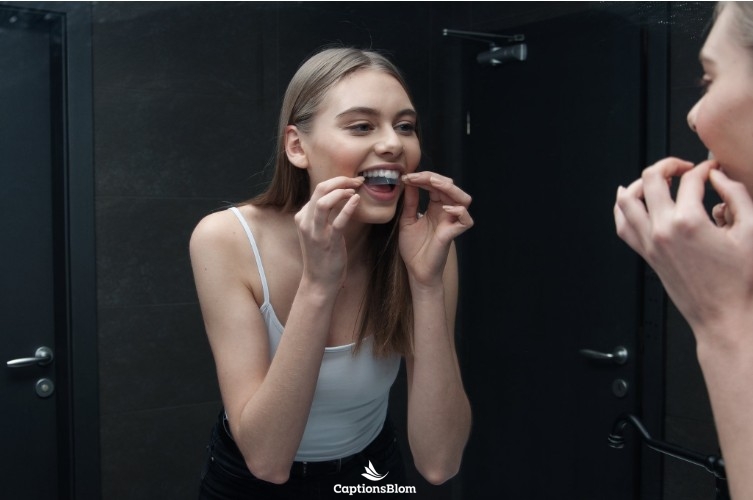
People now love doing teeth whitening at home because it is easy, cheaper, and gives that shiny smile they want without having to keep going back and forth to the dentist. As time passes, our teeth can start looking a little darker from food, drinks like coffee, or tobacco use. Even if home remedies can help with surface marks, the results can really vary depending on how deep the staining goes and how strong the product is. When you understand how these approaches work, you can set more realistic expectations and avoid the usual disappointment or the risk of irritating your teeth if you overdo it with the products.
Whitening Strips for Gradual Shade Improvement
Whitening strips are super popular for at-home teeth whitening too. They are thin, flexible plastic strips that are coated with a peroxide gel, and they stick to your teeth. You wear them for roughly 20 to 60 minutes each day, and after about one to two weeks, your pearly whites look brighter. Most of the time, teeth lighten by about a shade or two. Still, if the discoloration is deeper, the shift might be small, or basically not there. People like them because they’re simple to use, though you can end up with patchy, uneven results if the strips are placed wrong.
Baking Soda and Peroxide Mixtures for Surface Stains
One popular DIY option people try is baking soda combined with a small amount of hydrogen peroxide to form a paste. It tends to work through a mix of gentle rubbing plus mild chemical action, which helps lift surface stains from things you eat and drink. The results are usually modest, meaning it’s not something that truly needs daily use, more like occasional touch-ups. But baking soda can be a bit abrasive, so you’ve gotta be cautious, because too much can wear down enamel over time. And to be clear, this approach mainly targets surface stains; it doesn’t really change the inner shade of your teeth.
Whitening Toothpaste for Everyday Maintenance
Whitening toothpaste is the easiest way to keep your smile bright. It contains mild abrasives, polishing agents, and sometimes enzymes too. These components help get rid of surface stains over time. The toothpaste won’t bleach your teeth, but it can slowly remove discoloration from daily stuff. Results tend to be subtle and require consistent use over several weeks or months. Many consumers choose to buy the best whitening toothpaste that supports enamel safety while delivering visible brightness. Although changes are not dramatic, this toothpaste plays an important role in preventing new stains and extending the effects of other whitening treatments.
LED Whitening Kits for Accelerated Brightening
LED whitening kits use peroxide gel along with a small light, which speeds things up for whitening. You put the gel onto a mouth tray, slide it in, and then let that LED shine during the quick session. This helps oxidation move along sooner, so surface stains fade faster than if you used peroxide alone. Most people start seeing their teeth look brighter after a few rounds, but the full change usually takes about one to two weeks. Still, how much better your teeth look depends on how strong the gel is, plus whether you actually follow the routine. With higher-strength bleaching, sensitivity can show up, but it’s typically temporary.
Whitening Rinses, Diet Control, and Lifestyle Adjustments
Another option for teeth whitening at home is using whitening rinses, together with changes in what you eat and how you live day to day. Those whitening mouthwashes tend to have low levels of peroxide or similar stain-fighting agents. If you reduce things like red wine, coffee, and dark sauces, you may notice your shade shift too. Even habits like drinking through a straw can matter, and swishing with water after eating helps clear leftover residue. Quitting smoking can also improve tooth color over time. These approaches aren’t instant fixes, though; they help keep your smile looking bright, and they can support stronger whitening results later on.
At-home teeth whitening can help you get that brighter look using different methods—from regular toothpaste to more “tech-y” LED setups. They vary in intensity and how fast you see outcomes, yet they mainly target surface staining. The main thing is using the methods together and maintaining solid oral hygiene. If your discolored teeth need something more intense, it’s smart to ask a dental pro, because that’s usually the safer choice for serious, stubborn, or uneven staining.