
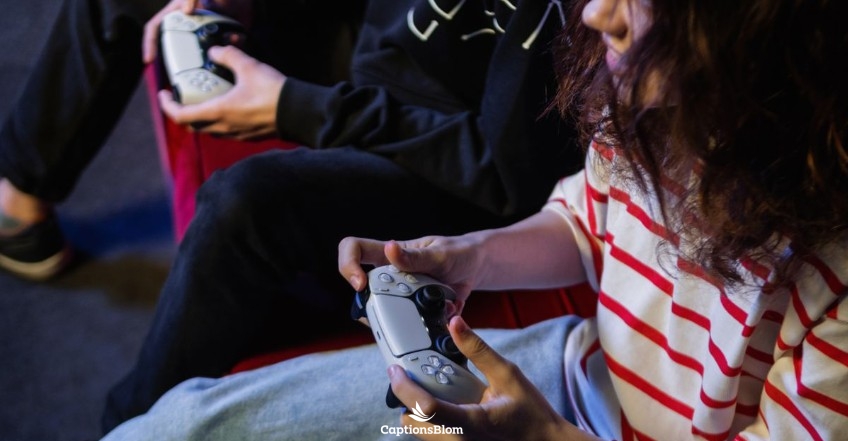
Have you ever logged into a game and felt like you were returning to a place where people actually know you? That feeling is a big part of why online gaming matters to so many people now. It is not only about competition or passing time. It is also about being recognized, included, and connected.
For a lot of players, digital spaces have become social spaces with real emotional value. Friends meet there after work, classmates hang out there at night, and strangers become familiar through shared goals. What starts as a match or a mission can turn into routine conversation, teamwork, and trust.
That shift has created a new kind of belonging. It is digital, but it is not fake. The relationships, habits, and shared memories built through online gaming can shape how people see themselves and where they feel at home.
Why Online Gaming Feels Social
At its core, online gaming gives people a place to interact regularly.
Shared Activity Builds Connection
It is often easier to bond when people are doing something together instead of trying to force small talk. In games, players solve problems, react quickly, and depend on each other. That creates natural conversation and a sense of being part of the same group.
Familiarity Grows Through Repetition
Belonging usually comes from repeated contact, not one perfect moment. Online games make repetition easy. People log in at similar times, join the same teams, and start recognizing each other’s style, humor, and habits. Over time, a username can carry the same social weight as a familiar face.
How Identity Takes Shape Online
Gaming spaces also give people room to express who they are.
Players Curate How They Show Up
Avatars, names, play styles, and voice chat all help shape identity. Some people feel more comfortable speaking up online than they do offline. Others use games to try out confidence, leadership, or creativity in a setting that feels lower pressure. That freedom can make social participation easier.
Recognition Creates A Sense Of Place
Belonging grows when people feel seen. In online gaming, recognition can be simple. A teammate remembers your role. A group invites you back. Someone notices when you are absent. Even communities built around discussion of platforms such as AZTEC888 show how digital routines can become part of a person’s social identity when people gather around shared interests and repeated interaction.
The Role Of Teamwork And Ritual
Regular habits and cooperation turn casual play into social structure.
Small Rituals Matter More Than People Think
Many gaming groups have simple rituals: a nightly check-in, a weekend session, a running joke, or a familiar way of greeting each other. These patterns create comfort. They give people something steady to return to, which is a big part of what belonging feels like.
Team Success Encourages Trust
When players depend on one another, trust starts to build. One person defends, another plans, another supports. Everyone has a role. That kind of cooperation can be satisfying because it shows that individual effort matters to the group. People often remember the teammates who stayed calm, helped others improve, or kept the group together after a loss.
Why Digital Belonging Can Feel Real
Online connection may happen through screens, but the feelings behind it are real.
Emotional Support Can Happen In Play Spaces
People do not leave their real lives at the login screen. They bring stress, excitement, bad days, and personal news into these spaces. Friends made through gaming often celebrate milestones, check in on each other, and offer encouragement. That support may happen during a match, in chat, or between sessions, but it still matters.
Distance Does Not Cancel Community
One of the biggest changes brought by online gaming is that belonging no longer depends on location. People from different cities or countries can form tight groups built on regular contact and shared experience. Conversations around communities like PGBET888 can reflect the same pattern, where people return not only for the activity itself but also for the people they expect to meet there.
What This Means For Modern Social Life
The rise of online gaming says something bigger about how people connect now.
Belonging Has Expanded Beyond Physical Spaces
For a long time, people linked belonging mostly to neighborhoods, schools, clubs, or workplaces. Those still matter, but digital communities now play a real part too. Online gaming has shown that shared time, common goals, and repeated interaction can create meaningful social bonds even without physical proximity.
Gaming Communities Reflect A Basic Human Need
People want to be part of something. They want to contribute, be remembered, and feel that their participation counts. Online gaming meets that need in a form that fits modern life. It offers flexibility, routine, conversation, and shared experience in one place. That is why the sense of belonging it creates feels new in format, but familiar in human terms.