
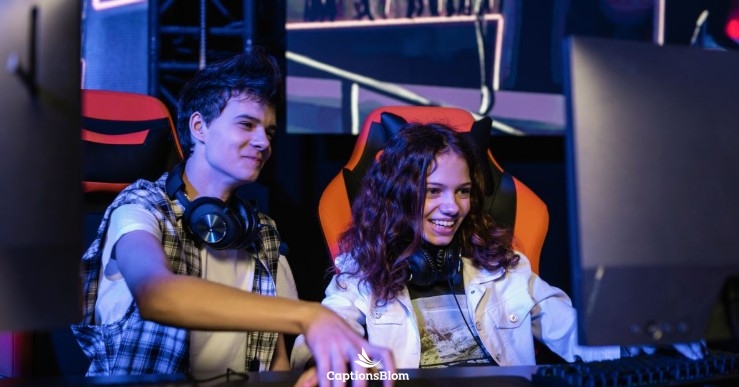
Have you ever logged into a game and felt more connected to people there than in some parts of everyday life? That feeling is one reason online gaming has become such a strong social space for millions of people.
For a long time, community was tied to geography. You knew the people in your school, your neighborhood, or your workplace because they were nearby. Online gaming changed that pattern by giving people shared spaces built around teamwork, competition, creativity, and routine interaction.
What makes this shift interesting is that it is not just about entertainment. It is about how people meet, communicate, build trust, and create a sense of belonging through regular play.
Shared Activity Creates Fast Connection
One of the biggest reasons gaming builds community so well is simple: people bond faster when they are doing something together.
In many online games, players are not just chatting for the sake of chatting. They are solving problems, reacting in real time, planning strategy, and learning each other’s habits. That kind of repeated cooperation creates familiarity much faster than passive social media interaction.
Teamwork Builds Trust
When people rely on each other to complete a match, finish a mission, or defend a position, trust starts to form. It may begin with small actions, like sharing information at the right moment or helping a newer player recover from a mistake, but those moments add up.
That is why gaming communities often feel active and personal. Even people who first connect through browsing spaces like gol88 may stay because the social side becomes just as meaningful as the activity itself.
Routine Turns Strangers Into Regulars
Playing with the same people every week creates a rhythm. Over time, usernames become familiar, inside jokes appear, and group identity starts to form. That repeated contact gives people a strong sense that they are part of something ongoing.
Distance Matters Less Than Shared Interest
Online gaming makes location far less important than common interests.
In older forms of community, people often had limited options for finding others with the same hobbies. Online games changed that by connecting players across cities, countries, and time zones. A person can now find a group that matches their pace, personality, and preferred style of play.
Communities Form Around Identity And Style
Some players like slow, social experiences. Others enjoy intense competition or creative building. These preferences help shape smaller communities within larger gaming spaces. People often find others who communicate in similar ways, value the same goals, and enjoy the same kind of group atmosphere.
Belonging Is No Longer Tied To Place
This matters because many people do not find easy connection in their local environment. Online gaming offers another path. A player who feels out of place offline may feel understood in a group built around a shared activity and shared language.
Communication Has Become More Natural
Gaming communities work because communication inside them feels immediate and practical.
Instead of formal introductions, players often start with quick decisions, reactions, and casual voice chat. That lowers social pressure. People get to know each other while focused on a common task, which can feel easier than direct conversation in other online spaces.
Conversation Grows From Context
In games, people always have something to talk about. A close win, a failed plan, a funny moment, or a smart play can all lead to natural conversation. These shared experiences give social interaction structure, which helps friendships grow without feeling forced.
Different Forms Of Participation Matter
Not everyone wants to speak constantly, and gaming communities often leave room for that. Some people lead discussions, some type short messages, and some contribute mainly through gameplay. Even a simple suggestion from a friend to visit togel123 can become part of a wider conversation about how people find and share online spaces with similar interests.
Community Now Includes Support And Identity
Gaming spaces are doing more than helping people pass time.
For many players, these communities offer emotional support, recognition, and a stable social routine. Friends notice when someone is absent. Teammates ask how a person is doing. Groups celebrate progress together. These habits can make online friendships feel real because they are real.
People Build A Social Identity
A player may be known as the calm strategist, the helpful teacher, or the person who keeps the group organized. These roles give people a clear place in the community. That sense of identity can feel meaningful, especially when it is earned through consistent action.
Digital Spaces Can Feel Personal
Community is not defined by physical closeness alone. It is built through attention, memory, shared experience, and mutual support. Online gaming provides all of those things in a format that fits modern life, where people often have less time and more scattered social circles.
Why This Shift Matters
The way people experience community is changing because the internet now supports real-time, repeated, group interaction around shared goals.
Online gaming shows that community can form anywhere people cooperate, communicate, and return regularly. It gives people spaces where friendship grows through action, not just conversation. That is a meaningful shift, and it helps explain why gaming has become one of the most social parts of online life.