
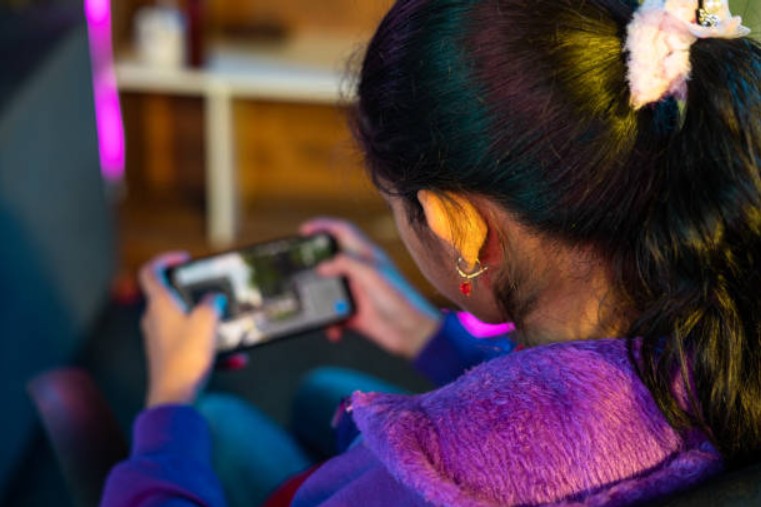
How did online gaming become a social culture built around players instead of just software and screens?
The answer is simple: people bring meaning to the space. Rules, updates, and interfaces matter, but the real culture comes from shared habits, inside jokes, team roles, and the way players learn to read each other during play. That social layer turns a digital activity into something personal.
Player communities now shape how matches feel, how goals are set, and how newcomers learn the pace. A forum thread, a voice chat, or a replay clip can matter as much as the actual session because players use those spaces to teach, argue, celebrate, and set standards for behavior.
Players Set The Social Rules
The culture around online gaming starts with player behavior, not hardware.
People decide what counts as fair play, useful teamwork, and bad etiquette. Those shared expectations can be stricter than any written rule set, since regular players notice patterns fast and react quickly to poor conduct or smart play.
That is also why certain terms and habits spread so fast across communities. A phrase like slot gacor can take on meaning inside a player group because people repeat it in chats, clips, and conversations until it becomes part of the local vocabulary.
Communication Shapes Identity
Player identity grows through constant talk, feedback, and comparison.
Voice chat, text chat, and message boards let people show skill, humor, patience, and leadership. A calm teammate often gains more respect than a flashy scorer because other players remember who helped the group stay focused under pressure.
Shared Language Builds Belonging
Every active group develops its own shortcuts. Players use shorthand for tactics, jokes, and common mistakes, and that language helps strangers feel like part of the same circle. The social code matters because it lowers the distance between new and experienced players.
Some groups even build identity around a tag or phrase that signals membership. A name like RAJAGACOR can work as a recognizable marker inside a community, since repeated use ties it to certain habits, styles, or shared memories.
Shared Experiences Create Memory
The strongest cultures come from moments people remember together.
A tight comeback, a lucky finish, or a long running rivalry gives players a story to retell later. Those memories matter because they are social proof that the group has history, not just activity. People return for the feeling of being part of something with context.
Rituals Keep Groups Connected
Regular sessions, familiar openings, and repeat matchups create rhythm. Players often show up for the routine as much as for the result, since predictable habits help a group stay connected across busy schedules and time zones.
That rhythm also supports trust. When players know how others think and react, they coordinate faster and waste less time explaining the same choices again. The culture becomes smoother because people already understand each other’s style.
Why Platform Features Matter Less Than People Think
Tools matter, but they only set the stage.
Even the best chat systems or ranking features feel empty if the community around them is cold or hostile. Players keep returning to spaces where they feel respected, challenged, and remembered, because social comfort often matters more than technical polish.
Final Thoughts
Devices change, interfaces update, and trends fade, yet player habits carry forward. The same mix of rivalry, humor, and teamwork appears again and again because people recreate it wherever they gather. That is why online gaming culture stays alive even as the tools around it keep changing.